How Healthy Gutters Protect Your Foundation in Rochester Hills
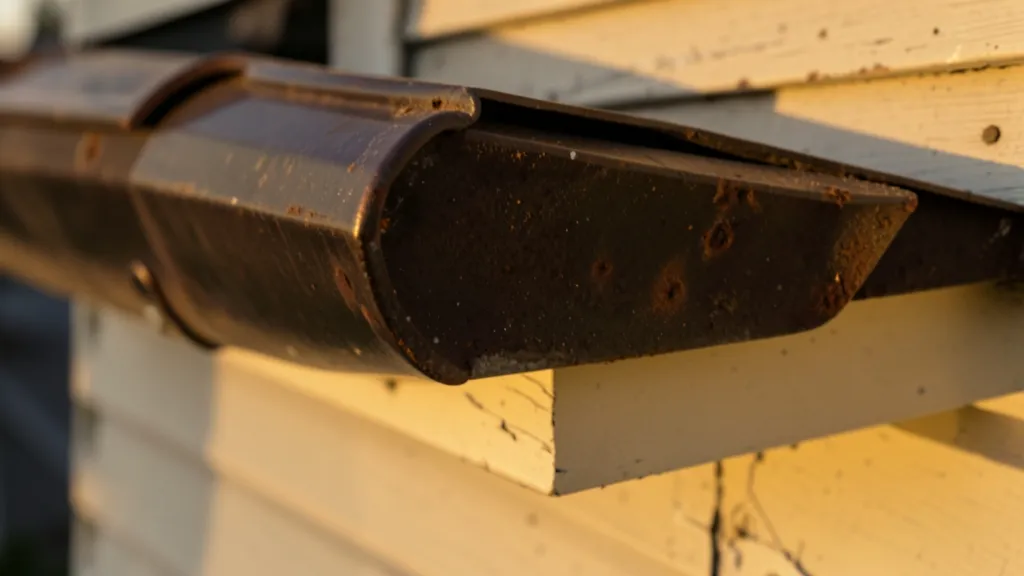
Your gutters do more than just channel rainwater—they’re the first line of defense for your home’s foundation. In our climate, with heavy spring rains and freezing winters, clogged or damaged gutters can lead to costly foundation issues. We’ll break down how proper gutter care safeguards your home’s structural integrity.
Why Gutters Matter for Your Foundation
Gutters collect and direct rainwater away from your roof and foundation. Without them, water pools at the base of your home, eroding soil and creating hydrostatic pressure that cracks concrete.
In Rochester Hills, freeze-thaw cycles worsen this. Water trapped near the foundation expands as it freezes, accelerating cracks and shifting slabs. Even minor gaps can let water seep into basements.
The Domino Effect of Clogged Gutters
When leaves, twigs, or pine needles clog gutters, water overflows and spills over the sides. This isn’t just an eyesore—it saturates the ground directly next to your foundation.
Over time, this leads to soil erosion, uneven settling, and even basement leaks. In neighborhoods like Stony Creek or Meadowbrook, mature trees make clogs a seasonal certainty.
Overflowing gutters during rain, water stains on siding, or cracks in your foundation’s mortar are red flags. Address them before they escalate.
How Downspouts Play a Critical Role
Downspouts carry water from gutters to safe discharge points. If they’re clogged or too short, water dumps right next to your home. Extensions or splash blocks should direct water at least 5–10 feet away.
In areas like Auburn Hills or Troy, where properties may have minimal grading, proper downspout placement is non-negotiable. We often see foundation issues traced back to poorly positioned downspouts.
Gutter Pitch and Slope: The Silent Protectors
Gutters must slope slightly toward downspouts—typically 1/4 inch per 10 feet—to ensure water flows freely. If the pitch is off, water pools, leading to rust, leaks, or ice dams in winter.
During our inspections in Oakland Township, we frequently find gutters that were installed level or even backward. A quick resealing and resloping can restore proper drainage.
Ice Dams and Their Foundation Impact
Rochester Hills winters bring ice dams—ridges of ice that form at the roof’s edge, trapping meltwater. This water can seep under shingles, into fascias, and even behind gutters, eventually reaching the foundation.
Properly sloped and clean gutters reduce ice dam risks. Heated gutter guards can also help, but they’re not a substitute for regular cleaning and insulation upgrades.
Ensure attic insulation and ventilation are adequate. Keep gutters debris-free so meltwater can drain, even in subfreezing temps.
Gutter Materials and Longevity in Our Climate
Not all gutters hold up equally. Aluminum is lightweight and rust-resistant, ideal for most homes. Copper lasts decades but is pricier. Steel gutters, while durable, can rust if not galvanized properly.
In commercial properties around Troy or Shelby Township, we often recommend heavier-gauge materials to handle larger roof areas and debris loads.
| Material | Lifespan | Pros | Cons |
|---|---|---|---|
| Aluminum | 20–30 years | Lightweight, rust-proof, affordable | Dents easily, not as strong |
| Copper | 50+ years | Durable, aesthetic, low maintenance | Expensive, develops patina over time |
| Steel (Galvanized) | 15–25 years | Strong, handles heavy debris | Can rust if coating fails, heavier |
| Vinyl | 10–20 years | DIY-friendly, corrosion-resistant | Brittle in extreme cold, less durable |
When to Call in the Pros for Gutter and Foundation Checks
DIY cleaning can miss hidden issues like loose hangers, separated seams, or improper slope. Our team uses ladders, gutter vacuums, and cameras to spot problems early.
After storms, we also inspect for storm damage gutter cleanup needs. Catching minor repairs now prevents major foundation work later. Request a quote to assess your system’s health.
Signs You Need Professional Gutter Service
- Visible sagging or pulling away from the roof
- Rust, peeling paint, or water stains on gutters
- Downspouts that drain too close to the foundation
- Cracks or gaps in gutter seams
- Water pooling near your home after rain
Long-Term Solutions: Gutter Guards and Maintenance Plans
Gutter guards reduce debris buildup, but they’re not maintenance-free. Mesh and reverse-curve guards work well in Rochester Hills, but pine needles can still clog some systems. Regular inspections remain key.
For homes in wooded areas like Rochester or Auburn Hills, we often pair gutter guard installation with seasonal cleanings to ensure peak performance.
How to Inspect Your Gutters for Foundation Risks
A quick visual check can reveal potential threats to your foundation.
- 1Check for Clogs
Look for leaves, twigs, or standing water in gutters. Use a hose to test drainage—water should flow freely to downspouts.
- 2Inspect Downspout Discharge
Ensure downspouts extend at least 5 feet from the foundation. Use splash blocks or underground drains if needed.
- 3Look for Sagging or Damage
Walk around your home and note any gutters pulling away, rusting, or leaking at seams. These can lead to improper drainage.
- 4Examine the Ground Below
Check for erosion, puddles, or cracks near the foundation. These are signs gutters aren’t directing water far enough away.
- 5Test the Slope
Pour water into the gutter. If it doesn’t flow toward the downspout, the pitch may need adjustment.
Frequently Asked Questions
How often should gutters be cleaned in Rochester Hills?
Twice a year—once in spring after pollen season and again in late fall after leaf drop. Homes with many trees may need more frequent cleanings to prevent clogs and overflow.
Can gutter guards eliminate the need for cleaning?
No. While guards reduce debris buildup, they don’t stop all materials (like pine needles or roof grit). Annual inspections and occasional cleanings are still necessary for optimal performance.
What’s the most common foundation issue caused by poor gutters?
Cracks in the foundation or basement walls due to hydrostatic pressure from saturated soil. Over time, this can lead to uneven settling, water intrusion, and structural damage.
Do I need different gutters for a commercial property in Auburn Hills?
Commercial buildings often require larger, more durable gutters (e.g., 6-inch K-style or box gutters) to handle greater roof areas and debris loads. Downspouts may also need to be upsized for proper drainage.
How do I know if my gutters are properly sloped?
Water should flow toward the downspout without pooling. If you see standing water or slow drainage, the pitch may be insufficient. A professional can reslope gutters during a cleaning or repair visit.
What should I do if I find foundation cracks near my gutters?
Address the gutter issue first—clean, repair, or adjust slope and downspouts. Then, consult a foundation specialist to assess the cracks. Often, fixing the drainage resolves further damage.